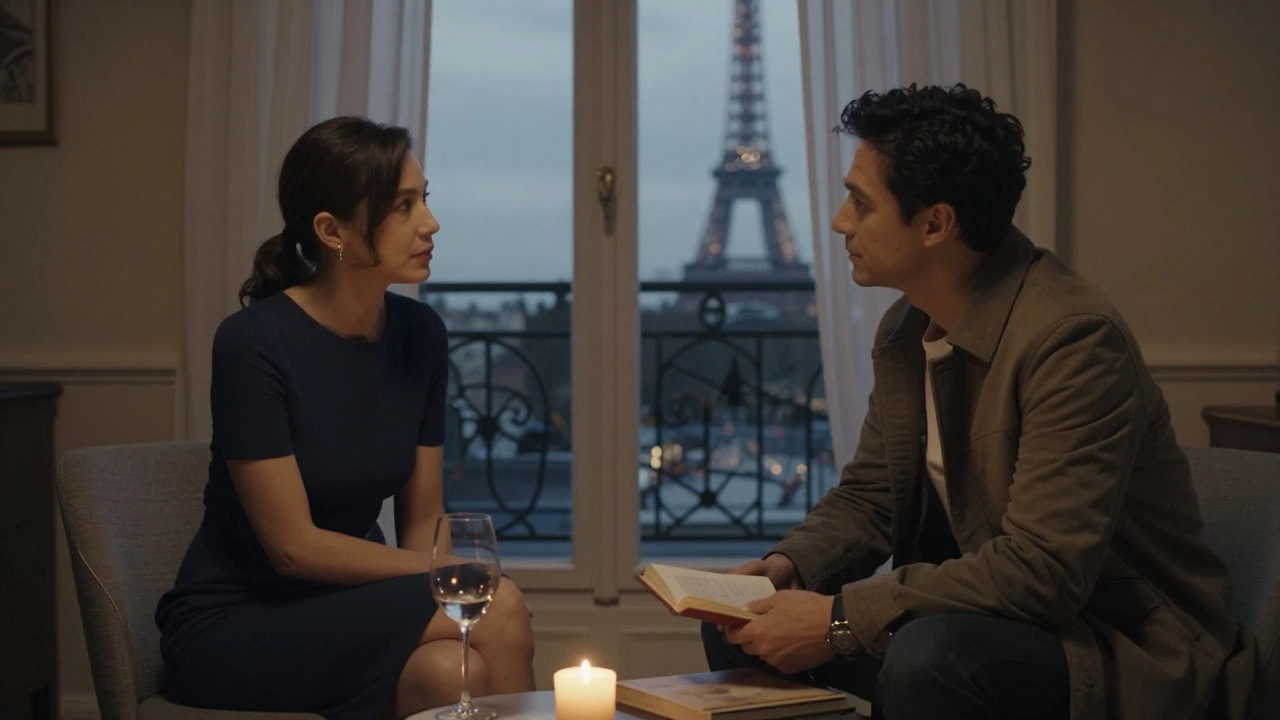
People talk about escort services in Paris like they’re just about looks - flawless skin, perfect posture, designer outfits. But that’s only the surface. The real story isn’t in the photos or the price tags. It’s in the quiet moments: the way someone listens without judging, the ease of conversation after a long day, the comfort of being seen without being reduced to a stereotype. There’s a reason why search terms like escortnparis keep rising - it’s not just about physical attraction. It’s about human connection in a city that moves too fast for most to pause.
Paris isn’t just the Eiffel Tower and croissants. It’s also a place where loneliness hides in plain sight. Professionals who work in this space aren’t just there to look beautiful. They’re trained in emotional intelligence, cultural nuance, and timing. Many speak three or more languages. They know which wine pairs with which mood, how to change the subject when someone’s tense, and when silence is better than words. This isn’t Hollywood fantasy. It’s real work, done by real people with complex lives, boundaries, and goals.
What People Don’t Say About Escorts in Paris
The media paints a narrow picture: glamorous, dangerous, or tragic. But the truth is messier and more ordinary. Most escorts in Paris aren’t working because they have no other options. Many choose this path because it offers flexibility - the ability to study, travel, care for family, or save for a business. Some work part-time while finishing university. Others use it as a bridge between careers. The stigma doesn’t reflect their reality.
And yes, the language matters. When you search for prostitutes en paris, you’re not getting the same results as someone looking for escorte parsi. The difference isn’t just spelling - it’s intent. One term leans into criminalization. The other signals service, discretion, and professionalism. The language people use tells you what they’re really searching for: connection, not transaction.
The Rules They Don’t Tell You
If you’ve ever considered hiring an escort in Paris, here’s what actually happens behind closed doors. First, there’s always a screening. No exceptions. Reputable agencies and independent professionals ask for ID, confirm meeting details, and set clear boundaries before anything else. No surprises. No pressure. Second, payment is upfront - cash or secure digital transfer. No tips, no haggling. Third, time is strictly limited. Most sessions last two to four hours. No one stays overnight unless explicitly agreed upon in advance.
These aren’t arbitrary rules. They’re survival tactics. In a city where laws around sex work are ambiguous, professionalism isn’t optional - it’s the only shield. The best escorts don’t just show up. They prepare. They research their clients’ interests. They bring books, music, or even small gifts if it fits the vibe. It’s not about seduction. It’s about creating a space where someone feels safe to be themselves.
Why This Isn’t About Sex
Let’s be blunt: most clients aren’t looking for sex. They’re looking for someone who won’t ask why they’re quiet. Who won’t judge them for crying over a dead pet or a failed relationship. Who can laugh at bad jokes and still make them feel like they’re the only person in the room. That’s not rare. It’s common.
A 2024 survey of over 200 clients in Paris found that 68% rated emotional connection as more important than physical intimacy. The top three reasons for hiring an escort? Companionship (42%), stress relief (31%), and conversation (27%). Only 12% listed sex as their primary goal. This isn’t a secret. It’s just not the story that sells.
The Real Allure
Sensuality isn’t just curves and lipstick. It’s the way someone leans in when you speak. The pause before they answer. The way they notice you changed your cologne. It’s in the small things - a hand holding a napkin just right, the softness in their voice when they say, “Tell me more.” That’s what lingers long after the meeting ends.
Women who work as escorts in Paris often come from diverse backgrounds: former dancers, linguists, artists, nurses. Many have degrees. Some are single mothers. A few are retired from corporate jobs. They don’t fit the cliché because the cliché was never true. Their allure isn’t manufactured. It’s earned - through experience, self-awareness, and emotional resilience.
What Happens After the Appointment?
There’s no follow-up. No texts. No social media stalking. That’s part of the contract. Respect isn’t optional. Clients know this. The professionals know this. The silence afterward isn’t cold - it’s intentional. It protects both sides. What happens next? Most clients go back to their lives. Some write journals. A few send anonymous thank-you notes. Rarely, they return. Not because they’re addicted. But because they found someone who made them feel human again.
Is This Legal in Paris?
France doesn’t criminalize selling sex, but it does criminalize buying it - and everything around it. Advertising, brothels, third-party involvement - all illegal. That’s why most escorts work alone or through discreet agencies that operate like private concierge services. No billboards. No websites with photos. No public profiles. Everything is by referral or private appointment. That’s why searching for escorte parsi yields vague results - the system is built to be invisible.
It’s not about hiding. It’s about safety. When you’re working in a legal gray zone, discretion isn’t a preference - it’s a necessity. That’s why clients value professionalism so highly. It’s the only guarantee they have.
Final Thoughts
Calling someone an escort because they’re beautiful misses the point. Reducing them to their appearance ignores the skill, intelligence, and emotional labor they bring to every interaction. The women who do this work aren’t objects. They’re professionals. And the people who seek them out aren’t predators - they’re often just lonely, tired, or searching for something real in a world that feels increasingly artificial.
Paris doesn’t need more fantasies. It needs more honesty. About who these people are. About why they’re here. And about what we’re really looking for when we look for them.