
When you hear the word blacklist, you might think of secret government files or banned websites. But the truth is, blacklists are everywhere - and they affect your daily life more than you realize. From email servers blocking spam to app stores removing risky apps, blacklists are a quiet but powerful tool for keeping digital spaces safe. They don’t just stop bad actors; they shape what you can access, who you can trust, and even how businesses operate.
Some people search for things like escort girl in dubai, not because they’re looking for trouble, but because they’re navigating unfamiliar environments. In places like Dubai, where cultural norms and legal boundaries are strict, even innocent searches can trigger filters or get flagged by automated systems. That’s when blacklists kick in - not to punish, but to enforce rules set by governments, platforms, or service providers.
What Exactly Is a Blacklist?
A blacklist is simply a list of things that are denied access or blocked for specific reasons. It could be an IP address, a website, an email sender, a phone number, or even a person. Once something is on the list, systems automatically refuse to interact with it. Think of it like a bouncer at a club who’s been told to turn away certain guests - no questions asked.
Blacklists are used in many areas:
- Email providers block spam senders
- Firewalls stop malicious websites from loading
- App stores remove apps that violate policies
- Credit card companies flag suspicious transactions
- Employers screen job applicants using background checks
Unlike whitelists - which only allow approved items - blacklists work by exclusion. They assume everything is safe until proven otherwise, then cut off the bad ones. This makes them fast and easy to implement, but also prone to mistakes.
How Do Things End Up on a Blacklist?
There’s no single authority that runs all blacklists. Different organizations create their own based on rules, reports, or automated detection. Here’s how something typically gets added:
- A user reports spam, fraud, or abuse
- An automated system detects unusual behavior (like a server sending out millions of emails)
- A government or regulatory body issues a directive
- A company violates terms of service
- A domain is hacked and used for phishing
For example, if a website starts redirecting visitors to malware sites, security firms like Google Safe Browsing or Norton Safe Web will scan it, confirm the threat, and add it to their blacklist. Within hours, browsers start warning users or blocking the site entirely.
Even legitimate businesses can get caught in the crossfire. A small online store might accidentally send out an email with a broken link that triggers a spam filter. If enough people report it, the store’s email server gets blacklisted - and suddenly no one gets their order confirmations.
Blacklists in the Real World: Beyond the Internet
Blacklists aren’t just digital. They exist in physical spaces too.
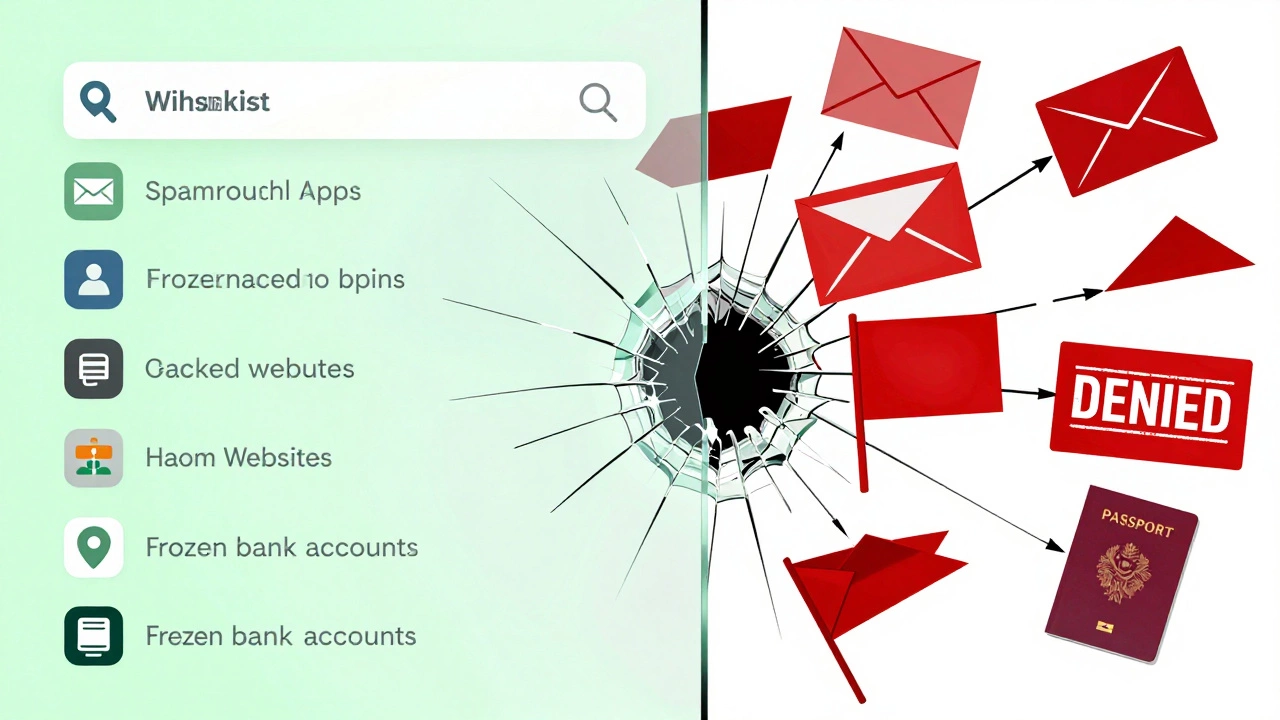
Hotels in Dubai may refuse service to guests with prior legal issues, even if those issues happened years ago or in another country. Airlines maintain no-fly lists based on government alerts. Banks freeze accounts tied to suspicious activity, sometimes without warning.
And yes - some services, like those advertising dubai escort girl or girl escort dubai, operate in legal gray zones. While they may not be illegal everywhere, platforms like Google, Facebook, and Instagram actively blacklist keywords and domains associated with adult services in regions where they’re restricted. This isn’t about morality - it’s about compliance. If a platform wants to operate in Dubai, it must follow local laws, and that means blocking content that could lead to fines or shutdowns.
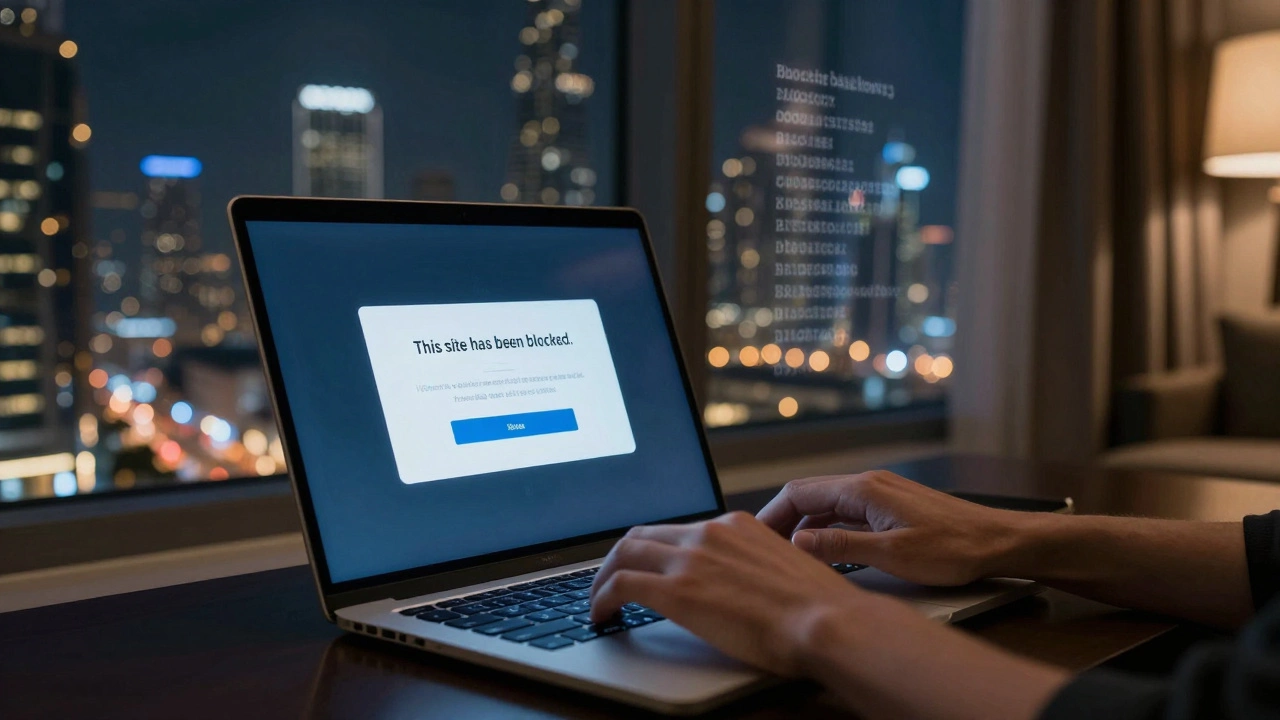
What Happens When You’re on a Blacklist?
Being blacklisted can be frustrating - and often invisible. You might notice:
- Your emails never reach recipients
- Your website shows a security warning
- Your app gets removed from the store
- Your bank account is temporarily frozen
Most people don’t know why. There’s usually no notification. No call. No explanation. You just wake up and something that worked yesterday doesn’t work today.
Reversing a blacklist takes effort. You need to:
- Find out which blacklist you’re on (tools like MXToolbox or Google Search Console help)
- Fix the problem that got you listed (clean malware, stop spamming, update policies)
- Submit a removal request to the organization that listed you
- Wait days or weeks for approval
Some blacklists are automated and remove you automatically after a clean period. Others require manual review - and some never let you back in.
Are Blacklists Fair?
That’s the big question. Blacklists are efficient, but they’re not always accurate. A small business can get blocked because one employee clicked a bad link. A journalist might be flagged for researching sensitive topics. A tourist might get denied entry because their passport was used by someone else years ago.
There’s little transparency. No appeals process. No public records. And once you’re on a list, your reputation can be damaged even if you’re innocent.
Some experts argue blacklists create a two-tier system: those who know how to stay off them, and everyone else. In places like Dubai, where digital surveillance and content control are common, the stakes are higher. A single search term or keyword - even one used innocently - can trigger a chain reaction that blocks access, flags your device, or gets your profile reviewed by authorities.
How to Avoid Getting Blacklisted
You can’t control every blacklist - but you can reduce your risk:
- Keep software updated to avoid being hacked
- Use reputable email services and avoid buying mailing lists
- Don’t use keywords associated with restricted services unless you fully understand the legal risks
- Monitor your domain’s reputation using free tools like Google’s Transparency Report
- Be careful what you link to - even one bad link can taint your site
If you run a business or manage a website, treat your digital reputation like your credit score. It takes years to build, seconds to break, and months to fix.
The Bigger Picture: Why Blacklists Matter
Blacklists are a reflection of power. Who gets to decide what’s dangerous? Who gets to say what’s allowed? In an open internet, these decisions should be transparent. But in practice, they’re made by corporations, governments, and algorithms with little oversight.
That’s why understanding blacklists isn’t just about tech - it’s about freedom, control, and fairness. Whether you’re trying to send an email, visit a website, or simply search for information, you’re navigating a world where invisible lists shape your access.
And in places like Dubai, where cultural norms and laws are tightly enforced, those lists are even more rigid. A search for escort girl in dubai might seem harmless to someone unfamiliar with local regulations - but to a system trained to protect legal boundaries, it’s a red flag. That’s not judgment. That’s policy.